Introduction: A New Era for Designers in 2025
The graphic design world has always evolved, but the changes happening in 2025 are shaping the industry in a much deeper way than before. The shift is no longer just about what software designers use—it is about how design itself is created, consumed, and understood. The rise of artificial intelligence, 3D integration, motion-first content, brand psychology, and a renewed focus on emotional aesthetics means designers now operate in an environment where creativity must blend seamlessly with technology and strategy. Companies expect designers to think like brand strategists, digital storytellers, and visual engineers rather than just creators of pretty graphics.
This evolution has made graphic design more exciting, but also more demanding. Designers who stay updated with trends and build modern skills will find enormous opportunities. Those who don’t evolve will slowly get filtered out because the industry is becoming more competitive and specialized. Whether you’re a student exploring career possibilities, a freelancer trying to upgrade your portfolio, or a professional looking to stay relevant, understanding the 2025 design trends will determine how future-proof your skills are.
AI-Assisted Design Becomes an Essential Creative Partner
Artificial intelligence has become fully integrated into the design workflow. Instead of fearing AI as a replacement, designers in 2025 use it as a tool that enhances their creativity and speeds up processes that once took hours. AI now supports brainstorming, concept exploration, color palette generation, layout variations, and visual experimentation. This means designers can create more options in less time, allowing them to focus on refinement and strategy.
The real advantage of AI lies not in producing final designs but in offering a starting point rich in possibilities. Designers still remain in control of the brand’s identity, aesthetic direction, emotional message, and creative values. AI can generate dozens of variations, but only a human can decide which one truly fits the brand and transforms it into a polished outcome. Designers who use AI effectively look more professional, work faster, and often deliver a broader range of ideas that clients appreciate.
Key Skills Needed for AI-Based Design Workflows
- Ability to write meaningful prompts that guide AI toward a desired style
- Skill in refining AI-generated visuals using Photoshop, Illustrator, or other tools
- Understanding of authenticity, originality, and ethical AI usage
These are not optional skills anymore—they have become a core expectation.
3D Design Transforms Branding Into Immersive Visual Experiences
3D design is no longer a niche under animation or gaming. It has entered mainstream branding and is reshaping how products, typography, and digital scenes are visualized. Brands want visuals that feel tangible and premium, and 3D delivers exactly that. Whether it is a skincare bottle rendered in soft lighting or a bold piece of 3D typography used for a campaign, these visuals create impact that flat graphics often cannot match.
The accessibility of tools like Blender and Spline has made it easier for designers to begin experimenting with 3D without needing advanced technical knowledge. Even beginners can produce impressive compositions by learning to control lighting, materials, camera positions, and simple modeling techniques. For clients, 3D visuals provide a sense of professionalism and style that communicates modernity. For designers, even basic 3D skills significantly increase their value in the job market and make portfolios feel more complete and versatile.
Warm Minimalism Replaces the Stark Minimalism of the Past
Minimalism has been a dominant design style for years, but in 2025 it has evolved into something far more personal and emotionally expressive. The classic black-and-white, rigid minimalism now feels cold to audiences who crave warmth and authenticity. This has created a shift toward Warm Minimalism, where simplicity remains the foundation but the emotional tone is significantly richer.
Warm Minimalism uses earthy tones, soft shadows, hand-drawn imperfections, organic curves, and natural textures to create a sense of comfort and familiarity. The layouts are uncluttered, yet not sterile—they feel calm, approachable, and human. This trend works especially well for lifestyle brands, wellness companies, boutique businesses, cafés, sustainable fashion labels, and interior design studios that want to evoke connection rather than distance.
Why Warm Minimalism Matters
- It aligns with the global movement toward authenticity and emotional connection
- It helps brands feel more relatable and less corporate
- It works beautifully across packaging, digital assets, and social media
Designers who master the emotional psychology behind this style will remain in high demand.
Bold Typography Dominates Visual Communication
Typography is no longer a supporting design element—it’s a visual identity tool. With shrinking attention spans and the dominance of mobile-first browsing, bold typography helps brands communicate messages instantly. In 2025, designers are embracing oversized type, tight spacing, expressive layouts, experimental pairings, and strong contrast to make typography the central focus of a design.
This trend requires a deeper understanding of type anatomy and composition. Simply choosing a bold font is not enough; designers must understand how weight, width, spacing, contrast, and rhythm affect readability and emotional tone. Typography-led design creates powerful brand presence, especially in campaigns, websites, posters, packaging, and product launches where messages need to be quickly understood.
When Typography Becomes the Hero
- Social ads where the message must be delivered instantly
- Brand identity systems that rely on consistent tone
- Posters where text carries the entire visual impact
Typography mastery remains one of the strongest differentiators between average and expert designers.
Motion Graphics Become a Mandatory Skill for Designers
Static design still has value, but motion has become a necessity. With social platforms giving priority to video content and users preferring dynamic visuals, motion graphics dominate how brands communicate. Even simple text animations, logo reveals, and micro-transitions elevate the professionalism and engagement level of content.
Designers do not need to become full-time animators to stay relevant. Learning the basics of After Effects, Premiere Pro, or even advanced tools like CapCut Pro can dramatically improve the type and quality of projects they take on. Motion makes designs more modern, more engaging, and more aligned with the expectations of audiences who consume videos far more than static images.
Where Designers Use Motion in 2025
- Animated social media posts
- Logo animation sequences
- Website banners and hero animations
- App interface explainers
- Product showcase videos
Motion skills help designers stand out in a saturated market.
Micro-Branding Becomes One of the Biggest Designer Opportunities
As small businesses continue to rise around the world, micro-branding has become a powerful source of income for designers. Instead of large-scale branding projects, many businesses look for smaller, quick-to-deliver brand identity packages that include just enough to help them launch professionally. Designers who understand how to create cohesive identity systems that work across digital touchpoints can complete these projects rapidly and profitably.
Micro-branding focuses on delivering high-quality essentials. Designers often create a logo, color palette, typographic pairing, social media template set, and a few mockups. These kits help businesses achieve brand consistency from day one without requiring big budgets. For designers, the fast turnaround time and high demand make micro-branding an extremely attractive offering.
Illustration-Based Branding Makes a Strong Comeback
Illustration is resurfacing as a popular design approach because it offers something that AI and stock images cannot easily provide—originality and personality. Whether hand-drawn or digitally rendered, illustrations bring character, charm, and uniqueness to brand identities.
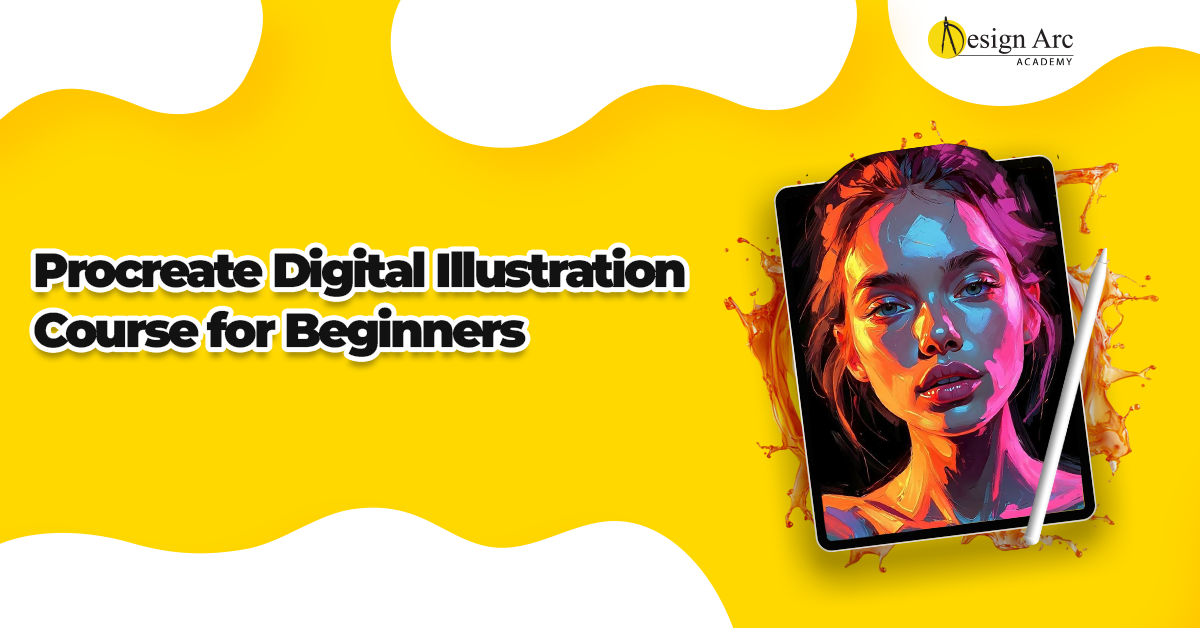
Modern illustration trends include simplified vector styles, minimal line art, textured illustrations, geometric compositions, and clay-inspired 3D illustrations. These styles are highly effective for children’s brands, educational platforms, wellness products, food packaging, and digital apps. Designers who invest time in illustration skills—whether in Adobe Illustrator or Procreate—gain access to opportunities where brands want storytelling-driven visuals rather than generic templates.
The Skills Modern Designers Must Master in 2025
To succeed as a designer in 2025, it is no longer enough to rely on basic Photoshop skills or trends from the past. The industry now demands a balance of creativity, technology, strategy, and communication.
Essential Skills for Every Designer
- Strong understanding of brand psychology and identity systems
- Ability to work with AI alongside traditional tools
- Beginner-level 3D design skills to enhance portfolios
- Basic motion graphics for modern digital content
Designers who can combine these skills become far more competitive and future-proof.
Conclusion: Designers Who Adapt Will Lead the Future
The world of design in 2025 is shaped by powerful trends that reward adaptability, innovation, and a willingness to learn. The rise of AI-assisted workflows, the dominance of motion content, the integration of 3D, the shift toward emotional minimalism, and the importance of typography-led communication all point toward a new creative era. Designers who build the modern skills required to navigate these shifts will find themselves positioned for success in an increasingly competitive environment.
Design will always reward those who evolve. The question for every designer today is simple: Will you grow with the industry, or get left behind by it?